

Why Is Cheer Music So Fast? Cheer BPM, 8-Counts, and Routine Timing Explained
Cheer music is fast because competitive cheer routines are built around energy, precision, timing, and constant movement. The music has to support stunts, tumbling, jumps, transitions, dance, pyramid, and the final ending while keeping athletes on count from start to finish.
Unlike a regular song, a cheer mix is created specifically for performance. It is designed to help the team stay synchronized, keep the routine moving, and make every section feel powerful, clean, and competition-ready.
This guide explains why cheer music is usually fast, how BPM affects routine timing, why 8-counts matter, and how custom cheer music helps teams perform with confidence.
Cheer Music Is Built for High-Energy Routines
Competitive cheerleading is fast-paced by nature. Athletes move through multiple routine sections in a short amount of time, and the music has to keep up with that pace.
A full routine may include stunts, tumbling, jumps, pyramid, dance, transitions, voiceovers, and an ending. Fast cheer music helps connect those sections together and keeps the routine feeling exciting from the opening beat to the final hit.
The tempo is not just about sounding energetic. It helps create structure, momentum, and timing for the entire performance.
What BPM Is Cheer Music?
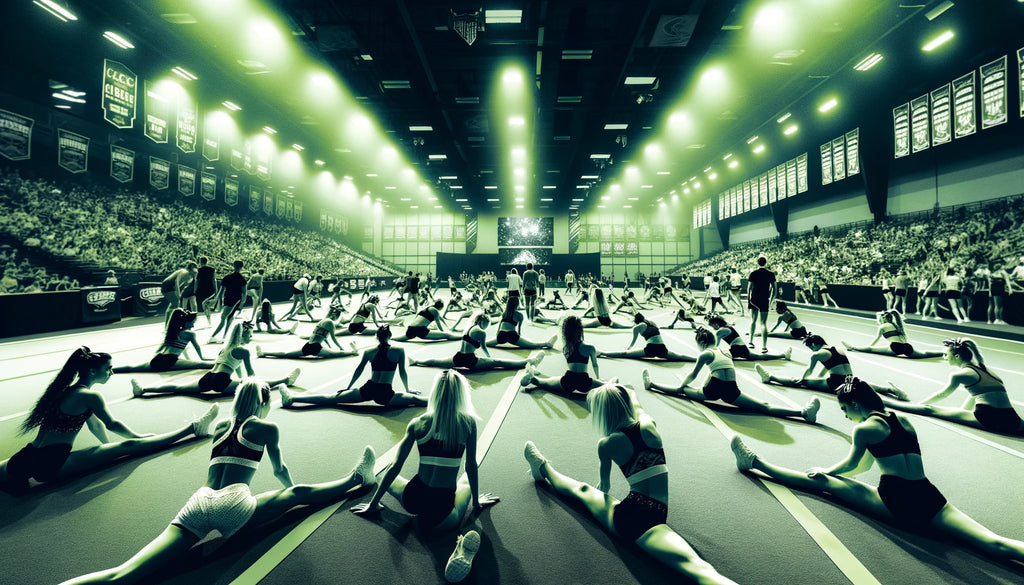
Cheer music is often produced around a fast tempo, commonly somewhere near the 140 to 160 BPM range depending on the team, routine style, age level, and choreography. Some routines may feel faster or slower depending on how the music is edited, counted, and arranged.
BPM stands for beats per minute. In cheer music, BPM affects how quickly the counts move and how the athletes feel the timing of the routine. A faster BPM can create more energy, while a slightly slower BPM may give younger or developing athletes more room to execute skills cleanly.
Many cheer mixes sit around the mid-to-high 140s because that range often gives routines a strong balance of energy, clarity, and performance control. To match BPM to your exact routine length, grab our routine timing cheat sheet.
Why 8-Counts Matter in Cheer Music
Cheer routines are usually planned in 8-counts. An 8-count is a way of organizing movement into groups of eight beats so coaches, choreographers, and athletes can stay synchronized. For a deeper breakdown of how many 8-counts a routine has at each common mix length, see our dedicated guide.
Fast cheer music works because it is built around those counts. When the music supports the 8-count structure, athletes can connect their choreography more cleanly and stay together through difficult sections.
Strong 8-count structure helps with:
- Stunt timing
- Tumbling passes
- Jump sections
- Dance choreography
- Pyramid transitions
- Formations and spacing
- Ending moments
If you are planning routine timing, try our Cheer Music 8-Count Calculator to estimate counts, timing, BPM, and structure.
Fast Cheer Music Helps Teams Stay Synchronized
One of the biggest reasons cheer music is fast is synchronization. A routine has a lot happening at once, and the music gives athletes a shared timing guide.
When the beat is clear and the transitions are clean, the team can move together with more confidence. This is especially important during stunts, tumbling, formations, and dance sections where timing affects both the visual impact and the safety of the routine.
Cheer Music Supports Stunts, Tumbling, and Dance
Different parts of a cheer routine need different types of musical energy. A stunt section may need bold hits and strong accents. A tumbling section may need forward motion and drive. A dance section may need a more distinct musical identity. The ending needs to feel clear and powerful.
Fast cheer music helps producers build contrast between these sections while keeping the routine moving. The tempo gives the track energy, but the arrangement and production make each section feel intentional.

Why Cheer Music Sounds So Intense
Cheer music often sounds intense because it is designed for a loud, high-energy competition environment. The track has to cut through crowd noise, arena sound systems, and fast movement on the floor.
That is why custom cheer mixes often include:
- Strong beats
- Clear transitions
- Voiceovers
- Raps and chants
- Sound effects
- Custom vocals
- Hits and accents
- Section changes
These elements help the routine feel organized and exciting. They also make it easier for athletes, coaches, judges, and audiences to follow the performance.
Does Faster Cheer Music Make a Routine Better?
Not always. Fast music can create energy, but the best cheer music is not just about speed. It has to match the team’s skill level, choreography, age division, and routine goals.
If the music is too fast for the athletes, the routine can look rushed or messy. If the music is too slow, the routine may lose energy. The right tempo should help the team perform with confidence while making the routine feel exciting and clean.
A professional cheer music producer can help find the right balance between speed, clarity, and performance impact.
How Custom Cheer Music Uses Tempo Strategically
Custom cheer music gives producers the ability to shape energy throughout the routine. Even when the overall BPM stays consistent, the mix can feel different from section to section through rhythm, sound design, vocals, transitions, and musical arrangement.
This helps the routine avoid feeling flat. The music can build, drop, shift, and hit with the choreography so each section feels connected but still has its own purpose.
Licensed Cheer Music and Tempo Choices
Music licensing also plays a role in modern cheer music. Teams should avoid using random edits or unlicensed tracks, even if the tempo feels right. Competition cheer music should be created with licensing standards in mind.
Limelight Music Productions creates fully licensed custom cheer music so teams can focus on performance instead of worrying about whether their music is appropriate for competition use.
For more information, read Cheer Music Licensing Explained.
What Makes Fast Cheer Music Work?
Fast cheer music works best when the mix is clean, structured, and built around the routine. Speed alone does not make a track effective. The production has to support what the athletes are doing on the floor.
A strong fast cheer mix should have:
- Clear 8-count structure
- Clean section transitions
- Strong sound quality
- Purposeful voiceovers
- Routine-specific pacing
- Energy changes between sections
- A powerful ending
When all of those pieces work together, the routine feels more polished and easier to follow.
How Cheer Music Producers Build Fast Mixes
Professional cheer music producers build fast mixes by combining technical editing with an understanding of routine structure. The producer has to think about timing, counts, skills, transitions, performance energy, and the final sound of the track.
Limelight Music Productions has been creating custom cheer music since 2009, building competition-ready mixes for all-star gyms, high school teams, college cheer programs, and competitive cheer teams.
For more guidance, read How to Choose the Right Cheer Music Producer.
Choosing the Right Tempo for Your Team
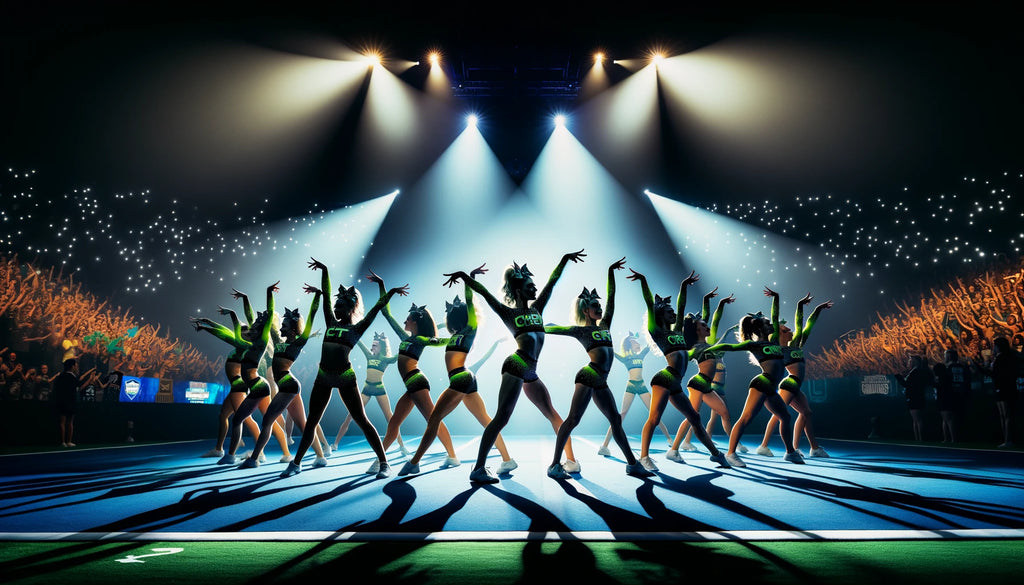
The right cheer music tempo depends on your team’s routine, division, choreography, age level, and skill level. A youth or prep team may need a different feel than an elite all-star or college routine.
Before ordering music, think about:
- Your routine length
- Your division and level
- Your choreography style
- Your athletes’ ability to stay clean at tempo
- Your dance section energy
- Your stunt and tumbling pacing
- Your ending moment
The goal is not just to make the music fast. The goal is to make the routine feel strong, confident, and competition-ready.
Routine Length Also Affects the Pace
Routine length affects how quickly the music needs to move. A shorter routine may need tighter pacing because there is less time to fit every section. A full-length 2:30 mix has more room to develop sections, but it still needs strong energy and clear structure.
Limelight creates custom cheer music for multiple routine lengths, including:
- 1:30 cheer music mixes
- 1:45 cheer music mixes
- 2:00 cheer music mixes
- 2:15 cheer music mixes
- 2:30 cheer music mixes
Why Fast Cheer Music Matters
Fast cheer music matters because it helps the routine feel athletic, exciting, and synchronized. It supports the pace of competitive cheerleading and gives athletes a strong musical foundation for performance.
But speed only works when it is paired with clean structure, strong production, and music that fits the team. The best cheer mixes are not simply fast. They are built with purpose.
Ready for Custom Cheer Music Built Around Your Routine?
Limelight Music Productions creates fully licensed custom cheer music for teams that need music built around timing, 8-counts, choreography, and competition performance.
Listen to our custom cheer music samples, compare pricing and package options, or book your custom cheer music today.
Limelight Music Productions is proud to be The Definition of Cheer Music.